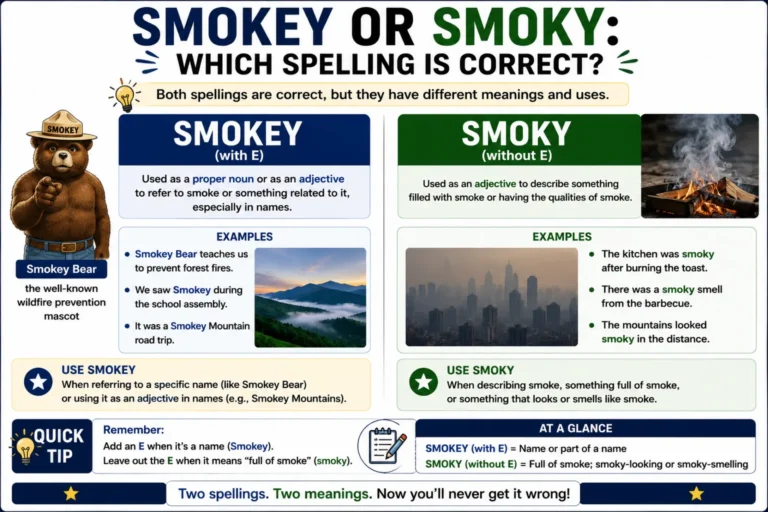
Smokey or smoky is a common spelling question in English. Many people wonder which word is correct. The answer depends on how you use it. In most situations, smoky is the correct spelling.
It describes something filled with smoke or having a smoke-like smell or flavor. Smokey usually appears as a proper name or nickname. For example, you may know Smokey Bear or a person named Smokey.
Understanding the difference helps you write more clearly and avoid common mistakes. This guide explains both spellings in simple words. You will also see real-life examples, comparison tables, and useful tips that make the difference easy to remember.
Quick Summary
Smokey or Smoky: Quick Answer
- Smoky is the standard English adjective.
- It means full of smoke or having a smoke flavor.
- Smokey is mainly a proper name or nickname.
- Use smoky room, smoky mountains, and smoky flavor.
- Use Smokey for names like Smokey Bear.
- In everyday writing, smoky is almost always correct.
What Does Smoky Mean?
Smoky is an adjective.
It describes something that contains smoke or looks like smoke.
It can also describe flavors, colors, or smells.
Examples
- The room became smoky after the fire.
- I love smoky barbecue sauce.
- The mountains looked smoky in the morning.
In each example, smoky describes a quality.
What Does Smokey Mean?
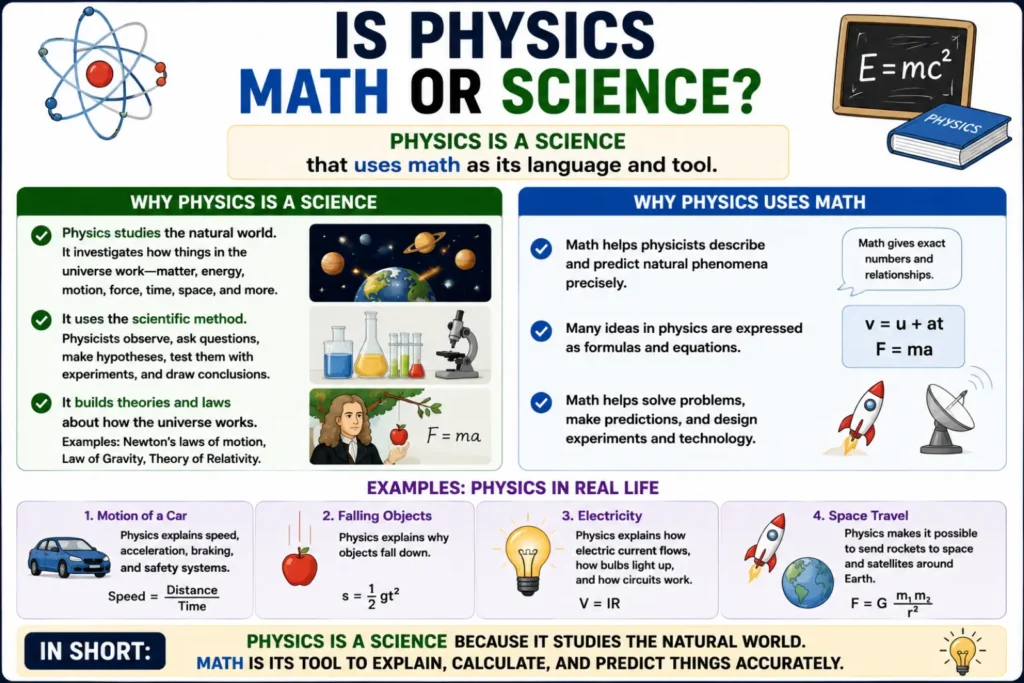
Smokey is usually a proper noun or nickname.
It often refers to a person, animal, mascot, or brand.
The most famous example is Smokey Bear, the wildfire prevention mascot.
Some people also use Smokey as a nickname.
Examples
- Smokey Bear teaches fire safety.
- My dog’s name is Smokey.
- Everyone called him Smokey because of his gray hair.
Notice that Smokey functions as a name rather than a descriptive word.
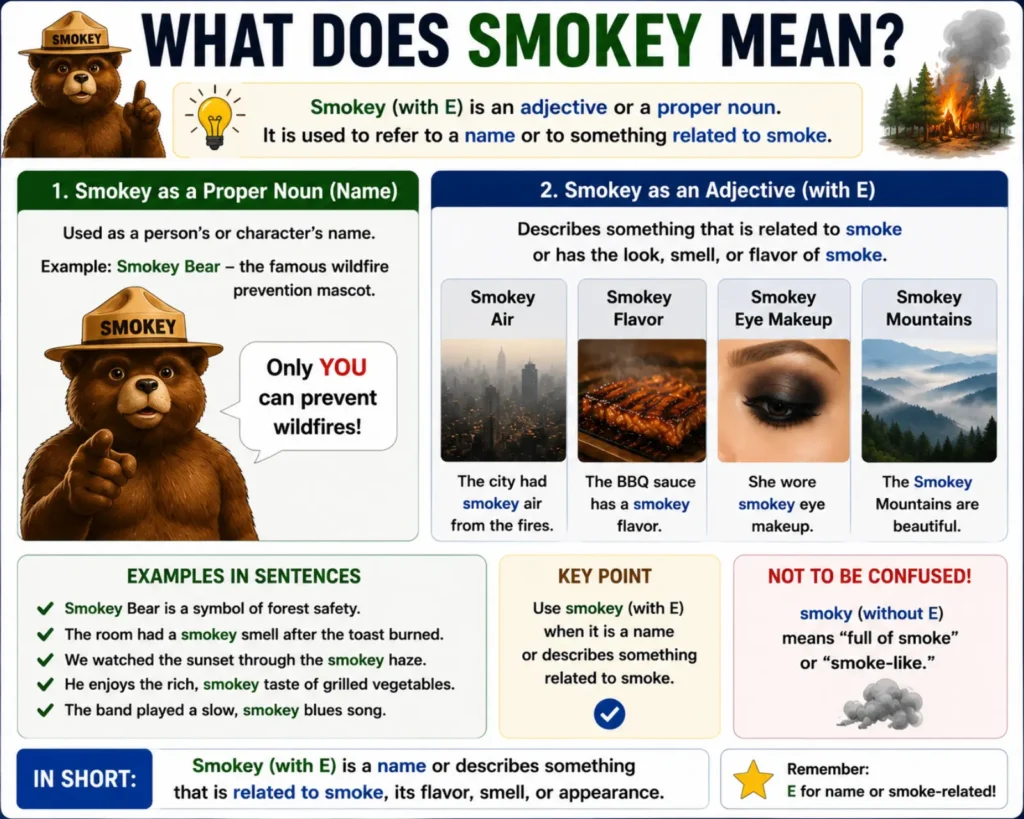
Is there an E in smoky?
Yes. “Smoky” has an “e” sound? Actually, it is spelled S-M-O-K-Y, with no E.
- ✅ Smoky — standard spelling
- ❌ Smoke-y — not normally written this way
- Smoky means having a lot of smoke or a smoke-like quality.
Example: “The room had a smoky smell.”
Why does smoky not have an E?
Because “smoky” is formed from the noun “smoke” by adding the suffix “-y.” English often drops the silent e before a suffix that begins with a vowel.
- smoke + y → smoky ✅
- smoke + -y → smokey is also used, but it is less common in standard American English.
The important point is that the e in “smoke” is silent. It mainly helps show the long o sound: smoke → /smoʊk/.
When -y is added, English normally removes that final silent e:
smoke → smoky
A similar pattern appears in words like:
- noise → noisy
- ice → icy
- taste → tasty
- shine → shiny
So “smoky” is not missing an e by accident. The spelling follows a common English word-formation pattern.
Smokey vs Smoky: What’s the Difference?
The two words look similar, but they have different uses.
| Feature | Smoky | Smokey |
|---|---|---|
| Part of Speech | Adjective | Proper noun or nickname |
| Main Meaning | Full of smoke | A name or title |
| Common Usage | Everyday English | Specific names |
| Correct for Smoke Description | Yes | No |
| Correct for Personal Names | No | Yes |
Simple Rule
- Use smoky to describe things.
- Use Smokey for names.
This rule works in almost every situation.
Why Do People Confuse Smokey and Smoky?
The words sound almost the same.
Their spelling differs by only one letter.
Many people see Smokey Bear and assume Smokey is always correct.
However, dictionaries list smoky as the standard adjective.
The extra “e” usually appears only in names.
Real-Life Examples of Smoky
Here are common examples you may see every day.
Food
- Smoky bacon
- Smoky cheese
- Smoky barbecue sauce
Nature
- Smoky sky
- Smoky mountains
- Smoky air
Home
- Smoky kitchen
- Smoky fireplace
- Smoky smell
Colors
- Smoky gray
- Smoky blue
- Smoky quartz
These examples all describe appearance, smell, taste, or atmosphere.
When Should You Use Smokey?
Use Smokey only when it is part of a proper name.
Common examples include:
- Smokey Bear
- Smokey Robinson
- A pet named Smokey
- A horse named Smokey
- A business called Smokey’s BBQ
Always keep the original spelling when referring to official names.
Is Smoky Correct in British and American English?
Yes.
Both British English and American English prefer smoky as the adjective.
Major dictionaries use smoky for describing smoke, flavor, smell, and appearance.
The spelling Smokey remains limited to names and titles.
This makes smoky the safer choice for school, business, and professional writing.
Everyday Sentences Using Smoky
These examples show how native English speakers use the word.
- The cabin smelled smoky after the campfire.
- The chef served smoky grilled chicken.
- The valley looked smoky at sunrise.
- The fireplace created a smoky odor.
- We avoided the smoky road during the wildfire.
These sentences follow standard English usage and help you remember the correct spelling.
Common Mistakes When Using Smokey and Smoky
Many writers use these words incorrectly because they sound alike. Learning the common mistakes can help you avoid them.
Mistake 1: Using “Smokey” as an Adjective
❌ The room looked smokey.
✅ The room looked smoky.
Use smoky when describing smoke, smell, color, or flavor.
Mistake 2: Changing the Name “Smokey”
❌ Smoky Bear teaches fire safety.
✅ Smokey Bear teaches fire safety.
Proper names should always keep their official spelling.
Mistake 3: Assuming Both Spellings Mean the Same Thing
Although they sound alike, they serve different purposes.
- Smoky describes something.
- Smokey identifies someone or something by name.
Easy Tips to Remember the Difference
These simple tricks make the correct spelling easy to remember.
Tip 1
Think of smoky as a descriptive word.
It describes food, air, rooms, mountains, and smells.
Tip 2
Remember that Smokey is usually a name.
If it is someone’s name, a pet’s name, or a famous mascot, use Smokey.
Tip 3
When writing essays or articles, choose smoky unless you are referring to a specific name.
Memory Trick
Smoky describes. Smokey names.
This short phrase helps many students remember the rule.
Smoky in Everyday Life
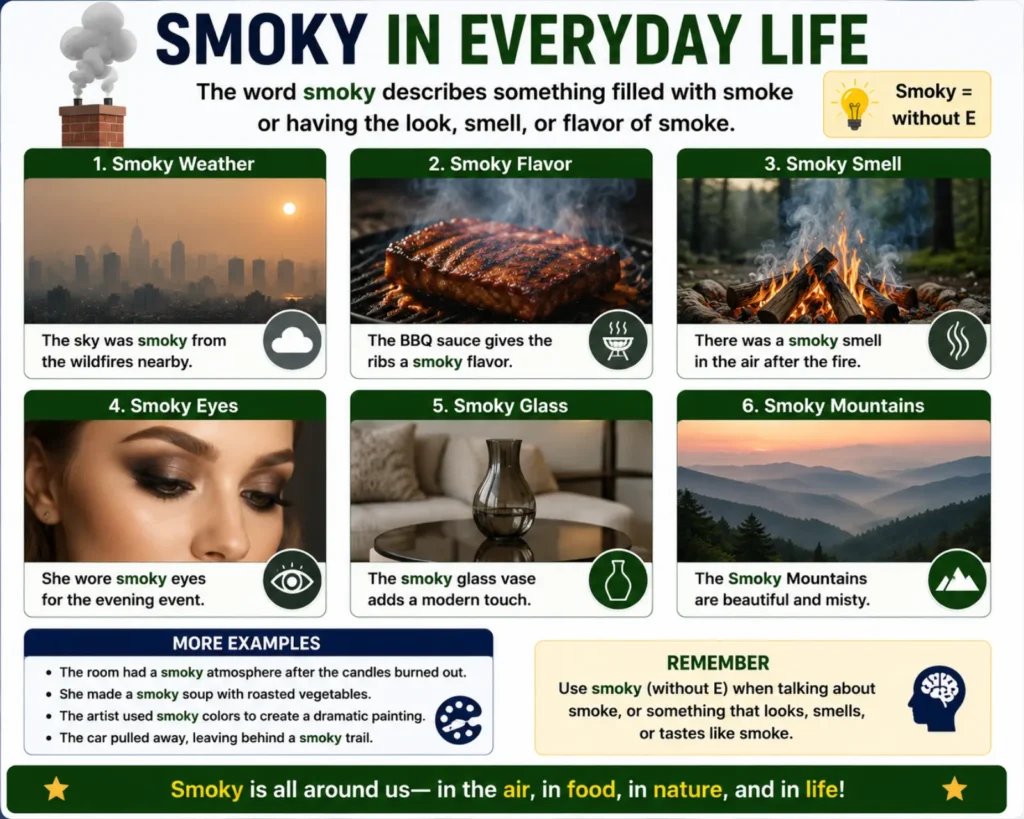
You will find the word smoky in many situations.
Cooking
People describe grilled foods as smoky because of their rich flavor.
Examples include:
- Smoky ribs
- Smoky cheese
- Smoky paprika
Nature
Wildfires and fog can create smoky skies.
Morning mist may also give mountains a smoky appearance.
Home
A fireplace may leave a smoky smell in the living room.
Burned toast can also create a smoky kitchen.
Beauty
Many makeup products use the phrase smoky eye.
This popular style creates a darker eye look.
Synonyms and Related Keywords
Using related words helps readers understand the topic better. It also supports SEO without repeating the same keyword too often.
Synonyms of Smoky
- hazy
- misty
- foggy
- sooty
- smoky-looking
- smoke-filled
- ash-colored
Expert Insight
Professional writers, editors, and dictionaries consistently recommend smoky as the standard adjective.
The spelling Smokey appears mainly in proper names.
Understanding this difference improves grammar, spelling, and professional writing.
It also helps students perform better in school assignments, competitive exams, and English proficiency tests.
When you are unsure, check whether the word describes something or names someone.
That simple check usually gives you the correct answer.
Frequently Asked Questions
Is it smoky or smokey?
Smoky is correct when describing smoke, smell, flavor, or appearance. Smokey is mainly used as a proper name.
Why is Smokey Bear spelled with an “e”?
Smokey Bear is an official name. Proper names do not always follow normal spelling rules.
Is smoky a real word?
Yes. Smoky is the standard English adjective found in major dictionaries.
Can I write smokey flavor?
No. The correct phrase is smoky flavor.
Is Smokey ever correct?
Yes. Use Smokey when referring to names such as Smokey Bear, Smokey Robinson, or a pet named Smokey.
Which spelling should I use in school writing?
Use smoky unless your sentence includes a proper name.
Is smoky used in both British and American English?
Yes. Both forms of English use smoky as the standard adjective.
What is the easiest way to remember the difference?
Remember this simple rule:
Smoky describes. Smokey names.
Conclusion
If you have ever wondered whether to write smokey or smoky, the answer is straightforward. Smoky is the correct spelling when describing smoke, smoke flavor, smoky air, or smoky colors. It is the standard adjective used in both British and American English. Smokey, on the other hand, is usually reserved for proper names, such as Smokey Bear or a person named Smokey.
Knowing this small difference can improve your writing and help you avoid common spelling mistakes. Whenever you need a word that describes something, choose smoky. If you are writing a person’s name, a mascot, or another official title, use Smokey. Following this simple rule will make your English clearer and more accurate.