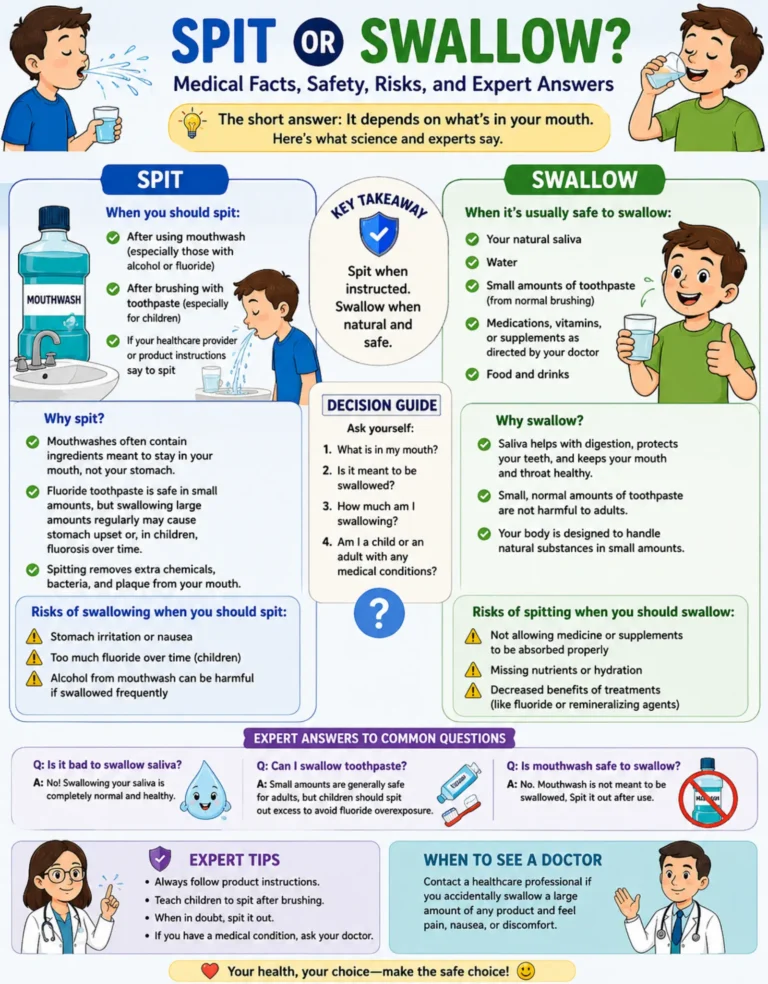
Spit or swallow is a common question people ask when learning about sexual health. Many people want clear, factual answers instead of myths. Understanding the topic helps people make informed decisions about their health and relationships.
Medical experts agree that the choice is personal. However, it is important to understand the possible health risks and ways to reduce them. Oral sex can expose a person to certain infections, even when no symptoms are present.
This guide explains the facts using simple language. You will learn about safety, common misconceptions, and when to seek medical advice. The information follows current sexual health guidance and aims to help readers make informed choices.
Quick Summary
Spit or Swallow: Key Facts
- It is a personal choice.
- Swallowing is not medically required.
- Spitting does not completely remove STI risk.
- Oral sex can transmit some sexually transmitted infections (STIs).
- Barrier protection helps reduce the risk of infection.
- Regular STI testing supports sexual health.
- Open communication with your partner is important.
Is It Better to Spit or Swallow?
There is no medical rule that says one choice is better than the other. From a health perspective, both options can involve exposure to sexually transmitted infections during oral sex. Swallowing does not significantly increase the risk compared with oral exposure alone. Using barrier protection, getting regular STI testing, and communicating with your partner are the most effective ways to reduce health risks.
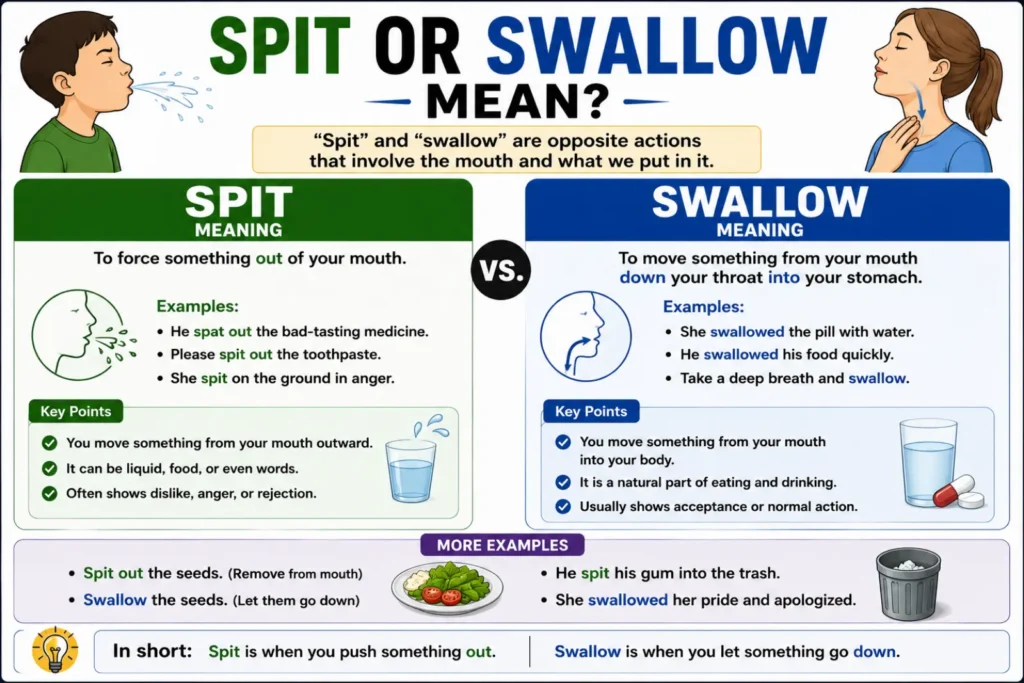
What Does “Spit or Swallow” Mean?
The phrase “spit or swallow” refers to a personal choice someone may consider after oral sex.
From a medical viewpoint, the important issue is not the choice itself. Instead, healthcare professionals focus on reducing the risk of sexually transmitted infections and promoting informed consent.
Understanding the health facts can help people make decisions that fit their comfort level and personal values.
Is It Safe?
The answer depends on several factors.
Oral sex can transmit infections, including some common STIs. A person’s risk depends on their health, their partner’s health, and whether protection is used.
The safest approach includes:
- Using barrier protection, such as condoms or dental dams.
- Getting regular STI screenings if sexually active.
- Avoiding oral sex when sores or symptoms are present.
- Discussing sexual health openly with partners.
No method other than avoiding sexual contact completely can eliminate all risk, but these steps can lower it.
How Can STIs Spread During Oral Sex?
Some sexually transmitted infections can spread through oral contact.
Examples include:
- Chlamydia
- Gonorrhea
- Syphilis
- Herpes simplex virus (HSV)
- Human papillomavirus (HPV)
- HIV (lower risk than many other forms of sexual contact, but transmission is possible in certain circumstances)
Many infections cause no symptoms. Regular testing is the best way to know your status.
Spit vs Swallow: Medical Comparison
| Factor | Spitting | Swallowing |
|---|---|---|
| Personal choice | Yes | Yes |
| STI exposure during oral sex | Possible | Possible |
| Eliminates STI risk | No | No |
| Requires medical treatment afterward | Usually no | Usually no |
| Best prevention | Barrier protection and STI testing | Barrier protection and STI testing |
This comparison shows that the overall health risk depends more on exposure during oral sex than on what happens afterward.
Common Myths
Myth 1: Swallowing Always Causes Illness
This is false.
Most healthy people do not become ill simply because they swallow. The greater concern is whether an STI is present.
Myth 2: Spitting Removes All Risk
This is also false.
Exposure occurs during oral contact. Spitting afterward does not eliminate that exposure.
Myth 3: Healthy-Looking Partners Cannot Have STIs
Many infections have no visible symptoms.
Regular testing is the only reliable way to know a person’s STI status.
Why Accurate Information Matters
Sexual health education helps people make informed decisions.
Reliable information can reduce fear, correct myths, and encourage safer practices.
Learning from trusted medical sources also supports healthy communication between partners and healthcare providers.
Real-Life Scenarios
Understanding real situations can make sexual health advice easier to apply.
Scenario 1: New Relationship
Two partners decide to become sexually active. Before doing so, they discuss STI testing and agree to use protection during oral sex. This lowers their risk and builds trust.
Scenario 2: Long-Term Relationship
Partners in a long-term, mutually monogamous relationship may have different comfort levels. Honest communication helps both people make informed decisions together.
Scenario 3: Unsure About STI Status
If either partner does not know their STI status, it is best to delay unprotected sexual activity until testing is complete.
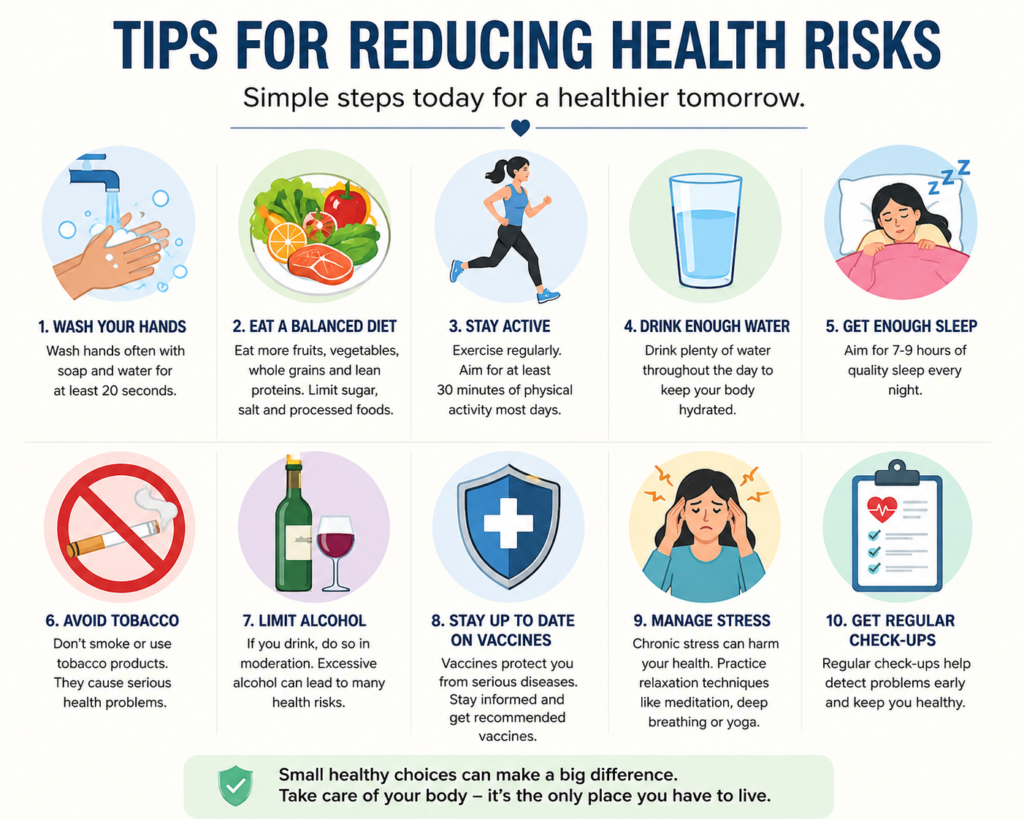
Tips for Reducing Health Risks
You can lower the risk of infection by following healthy habits.
- Use condoms or dental dams during oral sex.
- Get regular STI screenings if you are sexually active.
- Avoid oral sex if either partner has sores, cuts, or symptoms.
- Maintain good oral hygiene.
- Discuss sexual health with your partner before sexual activity.
- Stay up to date with recommended vaccines, such as the HPV vaccine when appropriate.
These steps support better sexual health but cannot remove all risk.
Healthy Communication with Your Partner
Talking openly about sexual health is important.
Good communication can help partners:
- Share STI testing history.
- Discuss comfort levels.
- Respect personal boundaries.
- Make informed decisions together.
Respect and consent should always guide intimate relationships.
Daily Sexual Health Practices
Healthy habits support overall well-being.
Some good practices include:
- Schedule routine medical checkups.
- Seek STI testing when recommended.
- Practice good oral hygiene.
- Learn from trusted health organizations.
- Ask a healthcare professional if you have questions.
Taking care of your health benefits both you and your partner.
Related Search Terms and LSI Keywords
Search engines recognize related topics that provide helpful context.
Examples include:
- oral sex safety
- STI prevention
- sexual health education
- safer sex practices
- oral STI symptoms
- barrier protection
- STI testing
- sexual wellness
- consent and communication
- oral health and sexual health
Use these naturally when creating related educational content.
Expert Insights
Healthcare professionals emphasize education, prevention, and communication.
The decision to spit or swallow is a personal one. From a medical standpoint, the primary concern is reducing the risk of sexually transmitted infections. Protective methods, regular testing, informed consent, and honest conversations with partners have a much greater impact on sexual health than the choice itself.
Reliable information from qualified healthcare providers helps people avoid myths and make informed decisions.
Frequently Asked Questions
Does spitting remove the risk of STIs?
No. Exposure can occur during oral sex. Spitting afterward does not eliminate that exposure.
Is swallowing medically necessary?
No. It is a personal choice and not a medical requirement.
Can oral sex spread sexually transmitted infections?
Yes. Several STIs can spread through oral contact.
What is the best way to lower the risk?
Use barrier protection, get regular STI testing, and communicate openly with your partner.
Should I see a doctor after oral sex?
Most people do not need medical care afterward. However, seek medical advice if you notice symptoms or think you were exposed to an STI.
Can someone have an STI without symptoms?
Yes. Many STIs do not cause noticeable symptoms. Regular testing is important.
How often should sexually active people get tested?
The answer depends on personal risk factors. A healthcare professional can recommend a testing schedule that fits your situation.
Conclusion
The question of spit or swallow is ultimately a personal decision. From a medical perspective, the key issue is understanding sexual health risks and taking practical steps to reduce them. Oral sex can transmit certain sexually transmitted infections, regardless of what happens afterward.
The best ways to protect your health include using barrier protection, getting regular STI testing, maintaining open communication with your partner, and seeking advice from a healthcare professional when needed. Accurate information replaces myths with facts and helps people make informed, respectful decisions. Prioritizing education, consent, and prevention supports healthier relationships and better overall well-being.