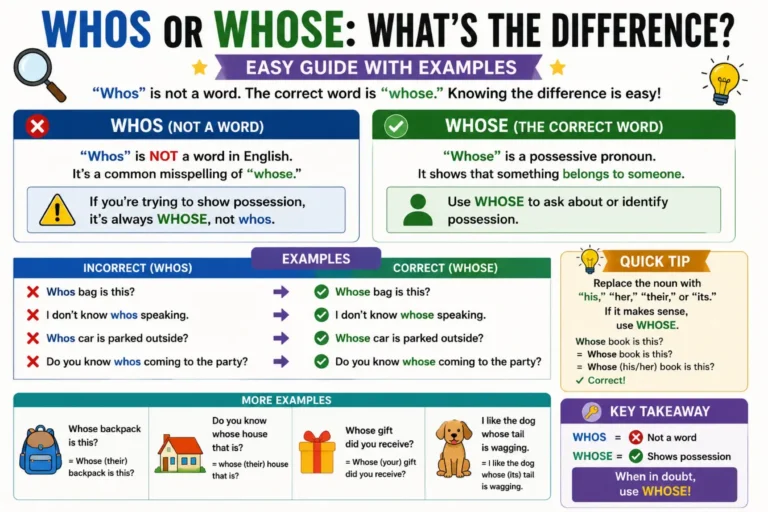
Whos or whose is one of the most searched grammar questions online. Many people mix these two words because they look almost the same. However, they have very different meanings.
The good news is that the difference is easy to learn. Once you know one simple rule, you will rarely make this mistake again.
In this guide, you will learn what whose means, why whos is usually incorrect, and how to use the right word every time. You will also see simple examples, common mistakes, grammar tips, and a comparison table. By the end of this article, you will feel confident when writing emails, essays, blog posts, or social media captions.
Quick Summary
- Whose shows ownership or possession.
- Whos is not a correct English word.
- Use whose before a noun.
- Remember that who’s with an apostrophe means who is or who has.
- Never write whos without an apostrophe or “e.”
- A simple grammar rule can help you avoid this mistake forever.
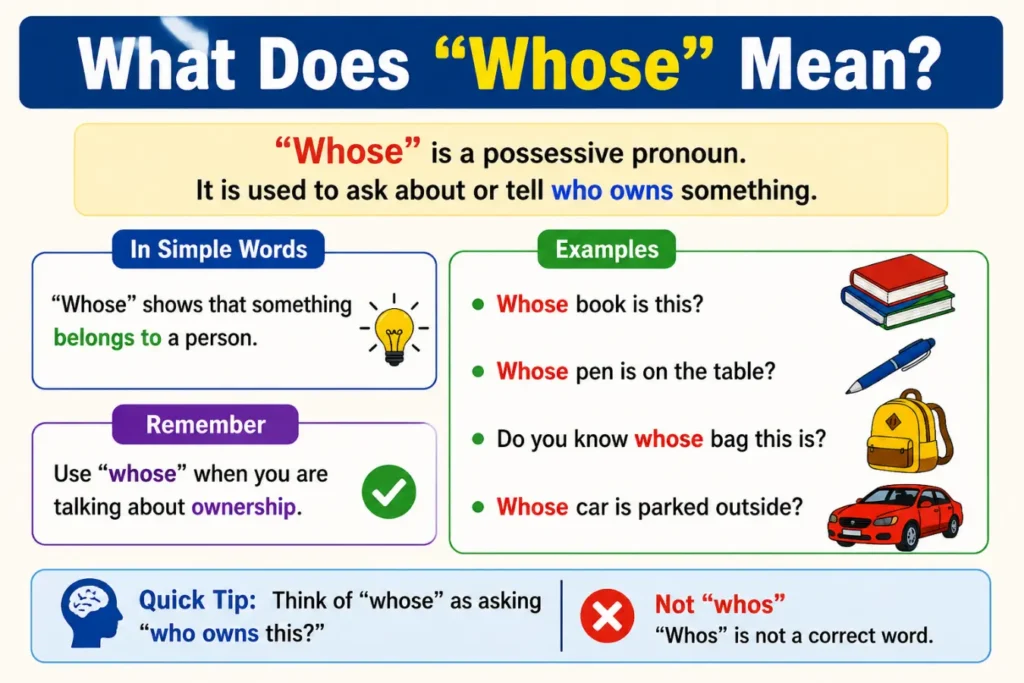
What Does “Whose” Mean?
Whose is a possessive pronoun.
It asks or tells who owns something.
Examples
- Whose book is this?
- Whose car is outside?
- I know whose phone is ringing.
- Do you know whose bag this is?
In every sentence, whose refers to ownership.
Is “Whos” a Real Word?
No.
Whos is not a correct English word.
Many writers accidentally type whos because they forget the apostrophe in who’s or confuse it with whose.
Incorrect
- Whos coming today?
- Whos shoes are these?
Correct
- Who’s coming today?
- Whose shoes are these?
Always remember that whos without an apostrophe or an “e” is incorrect.
Whose vs Who’s vs Whos
Many people confuse these three spellings.
| Word | Meaning | Correct? | Example |
|---|---|---|---|
| Whose | Shows ownership | ✅ Yes | Whose jacket is this? |
| Who’s | Means “who is” or “who has” | ✅ Yes | Who’s ready? |
| Whos | Not a real English word | ❌ No | Incorrect spelling |
This simple comparison helps you choose the right word every time.
How to Remember the Difference
Use this easy trick.
you mean ownership, choose whose.
If you can replace the word with who is, use who’s.
If neither works, check your sentence again.
Example
Who’s coming?
Replace it:
Who is coming?
The sentence still makes sense.
Now try this:
Whose backpack is this?
Replace it:
Who is backpack is this?
The sentence no longer makes sense.
That tells you to use whose.
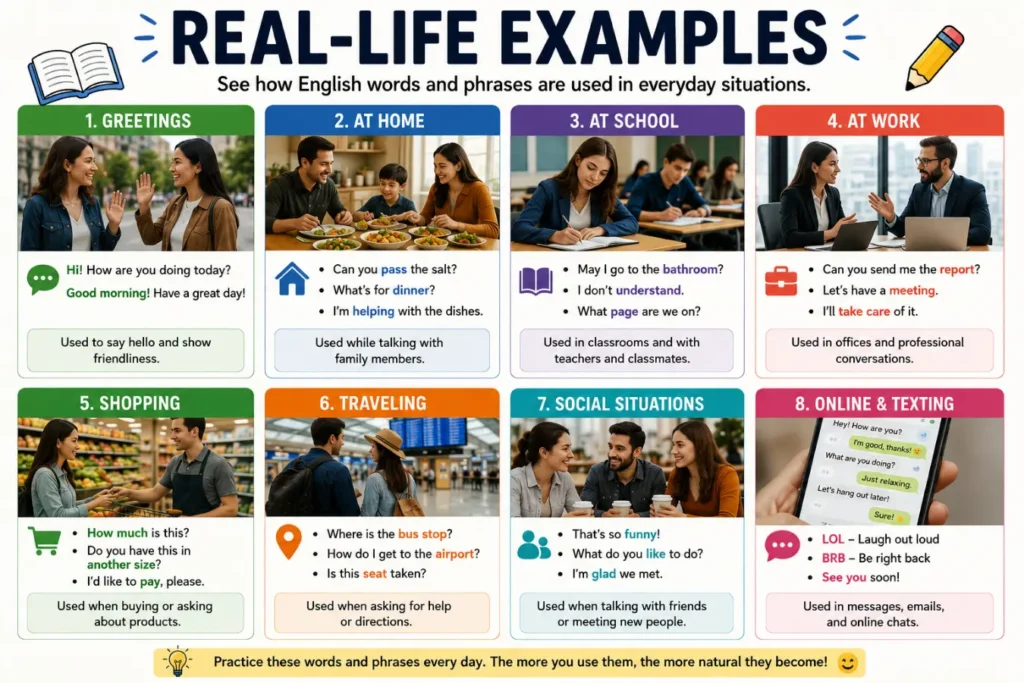
Real-Life Examples
Learning with real situations makes grammar easier.
At School
Whose notebook is on the desk?
At Work
Whose laptop is missing?
At Home
Whose keys are on the table?
Shopping
Whose shopping cart is this?
Sports
Whose ball rolled into the street?
These examples show that whose appears in everyday conversations.
Common Mistakes People Make
Many English learners make the same grammar mistakes.
Mistake 1
❌ Whos coming?
✅ Who’s coming?
Mistake 2
❌ Who’s shoes are these?
✅ Whose shoes are these?
Mistake 3
❌ Whos phone is ringing?
✅ Whose phone is ringing?
Mistake 4
❌ Whos idea was this?
✅ Whose idea was this?
Learning these mistakes helps you avoid them in your own writing.
When Should You Use “Whose”?
Use whose whenever you ask or describe ownership.
Examples include:
- Whose turn is it?
- Whose bike is outside?
- Whose homework is missing?
- Whose dog barked?
- Whose house did we visit?
The word always connects a person or thing to something they own.
Grammar Rule for Whose
The grammar rule is simple.
Whose = possession.
Think of other possessive words.
- His
- Her
- Their
- Your
- Whose
Each word shows ownership.
That makes whose easy to remember.
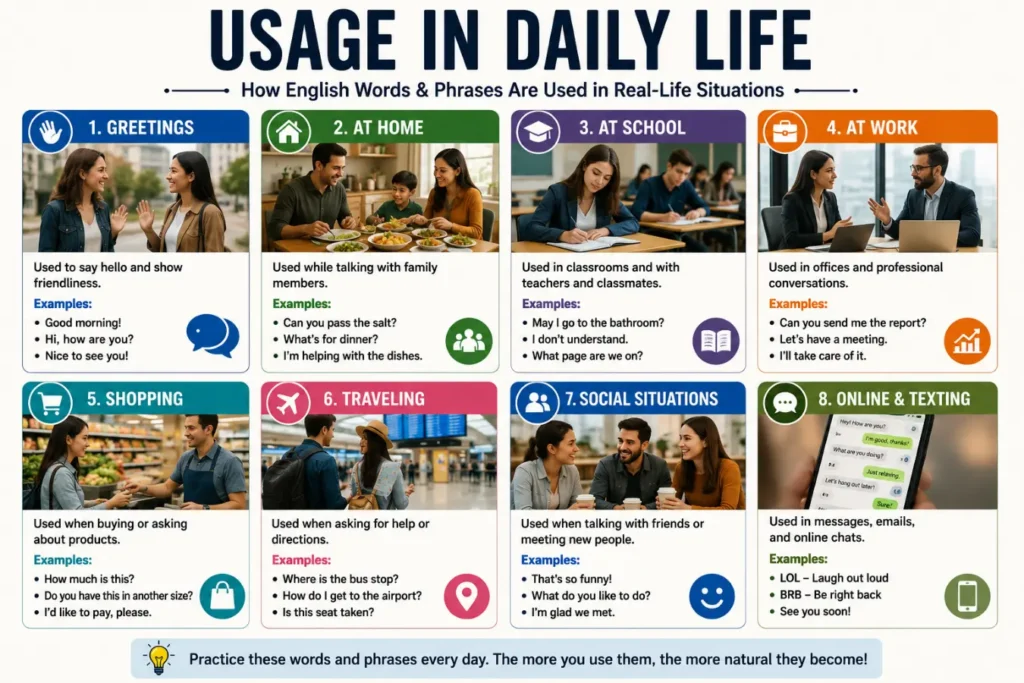
Usage in Daily Life
You probably hear whose every day.
Teachers ask,
“Whose homework is missing?”
Parents ask,
“Whose toys are on the floor?”
Friends ask,
“Whose turn is next?”
Managers ask,
“Whose project needs approval?”
Because ownership comes up often, whose is an important word in everyday English.
Synonyms and Related Keywords
Although whose has no exact synonym, these related words help explain similar ideas.
Related Words
- ownership
- possession
- belonging to
- which person’s
- who owns
- possessive pronoun
- grammar rules
- English grammar
- whose meaning
- who’s vs whose
- grammar mistakes
- English writing tips
These keywords also help improve SEO naturally.
Expert Tips for Using Whose Correctly
Professional editors follow simple grammar checks.
Tip 1
Read your sentence aloud.
If it sounds like ownership, use whose.
Tip 2
Replace the word with who is.
If it still makes sense, use who’s.
Tip 3
Never write whos.
Spell-check may not always catch it.
Tip 4
Proofread important writing before publishing.
Even small grammar mistakes reduce credibility.
Why This Grammar Rule Matters
Good grammar improves communication.
Correct word choice helps readers understand your message quickly.
It also makes your writing look more professional.
Whether you write blog posts, emails, business reports, or school assignments, using whose correctly builds trust with your audience.
Small grammar improvements can make a big difference over time.
Frequently Asked Questions
Is “whos” correct?
No.
Whos is not a correct English word.
What does “whose” mean?
It shows ownership or possession.
Is “whose” possessive?
Yes.
It is a possessive pronoun.
What is the difference between “whose” and “who’s”?
Whose shows ownership.
Who’s means who is or who has.
Can “whose” refer to things?
Yes.
Example:
Whose color do you prefer?
Why do people confuse these words?
They sound the same when spoken.
However, they have different meanings.
How can I remember the rule
Think about ownership.
If something belongs to someone, use whose.
Common Sentences Using Whose
Here are more examples.
- Whose jacket is hanging there?
- Whose pen did I borrow?
- Whose birthday is today?
- Whose idea solved the problem?
- Whose name appears first?
- Whose family lives nearby?
- Whose responsibility is this?
- Whose opinion matters most?
Practicing these sentences helps you remember the rule.
Conclusion
Understanding whos or whose is much easier than many people think. The key rule is simple. Whose shows ownership, while whos is not a correct English word. If you mean “who is” or “who has,” use who’s instead.
Remember the ownership trick whenever you write. With regular practice, choosing the correct word becomes natural. Whether you are writing an email, school assignment, business document, or blog post, using the right grammar makes your writing clearer and more professional.
The next time you wonder about whos or whose, remember one simple rule: if something belongs to someone, always choose whose.